Controlling Suspended Solids in Marine Construction with Optimized Silt Curtains
- Share
- Issue Time
- Feb 4,2026
Summary
Marine construction activities such as dredging, piling, land reclamation, and port expansion often generate large amounts of suspended solids in seawater. If not properly controlled, these suspended sediments can spread rapidly, increasing turbidity and causing serious harm to nearby coral reefs, seagrass beds, and marine ecosystems.
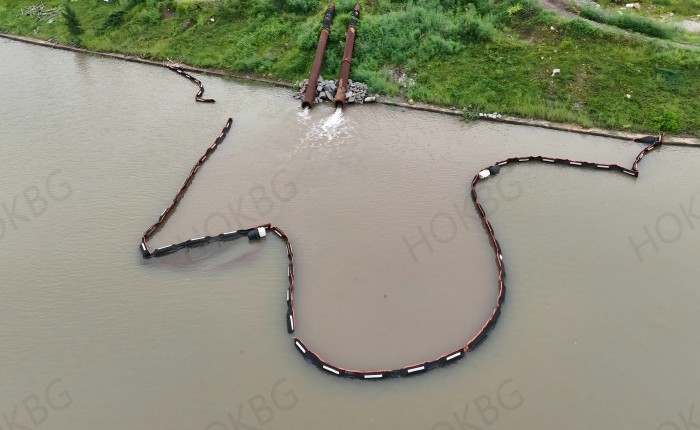
Marine construction activities such as dredging, piling, land reclamation, and port expansion often generate large amounts of suspended solids in seawater. If not properly controlled, these suspended sediments can spread rapidly, increasing turbidity and causing serious harm to nearby coral reefs, seagrass beds, and marine ecosystems.
An effective and widely adopted solution is the use of silt curtains (also known as turbidity curtains). With optimized structural design, modern silt curtains provide reliable containment of suspended solids while maintaining durability in harsh marine environments.
Key Takeaways
Silt curtains are essential for controlling suspended sediment dispersion during marine construction
Optimized curtain structure significantly improves durability and service life
Integrated design reduces failure risks caused by corrosion and fabric damage
Environmentally friendly solution that meets international marine protection standards
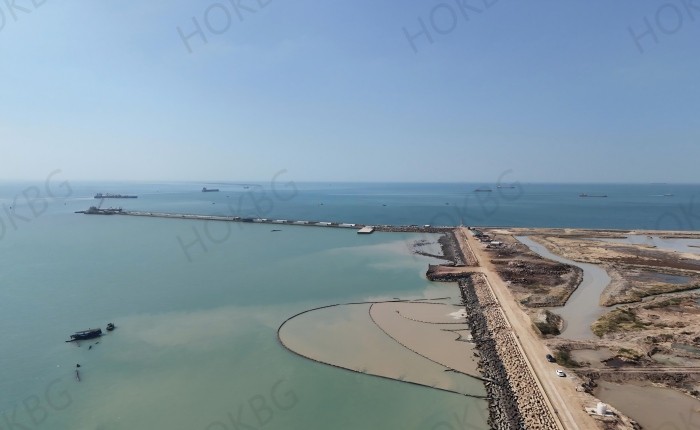
Why Suspended Solids Control Matters in Marine Construction
During dredging and offshore construction, fine particles are easily disturbed and carried by currents. Excessive suspended solids reduce light penetration, affect photosynthesis, and can smother sensitive marine habitats.
Regulatory agencies increasingly require contractors to implement effective suspended solids control measures to limit environmental impact. Silt curtains remain one of the most practical and cost-effective solutions.
What Is a Silt Curtain?
A silt curtain is a floating vertical barrier installed in water to contain suspended sediments within a defined construction area. It typically consists of a flotation section, curtain fabric, and a ballast system that keeps the curtain stable in moving water.
The performance of a silt curtain depends heavily on fabric strength, UV resistance, and structural design.
Optimized Silt Curtain Structure for Enhanced Performance
Our silt curtain system is designed with long-term durability and safety in mind, addressing common problems found in traditional curtain designs.
One-Piece High-Strength Curtain Fabric
The curtain body is manufactured from integrated, UV-resistant high-strength round yarn woven filter fabric.
Unlike conventional designs, the curtain fabric is produced as a single continuous panel, eliminating the need for fabric splicing. This significantly reduces weak points and improves overall tensile performance.
Sandbag Ballast Instead of Steel Chains
Instead of steel chains, which are prone to corrosion and may cut or damage the curtain fabric over time, sandbags are used as the ballast system.
This design prevents rust-related failures while ensuring stable vertical alignment of the curtain under tidal and current forces.
Factory Stitching with High Strength Retention
All sewing and assembly are completed in a controlled factory environment. The stitching strength reaches approximately 70% of the original fabric strength, providing reliable load transfer without compromising curtain integrity.
How Optimized Silt Curtains Control Suspended Solids
Reduces sediment spread by blocking lateral movement of suspended particles
Allows water flow while retaining fine sediments through permeable filter fabric
Maintains stability under waves and currents with flexible, corrosion-free ballast
Minimizes maintenance and replacement costs during long-term projects
Typical Applications
Optimized silt curtains are widely used in:
Dredging and reclamation projects
Port and harbor construction
Pile driving and offshore foundation works
Coastal and marine environmental protection projects
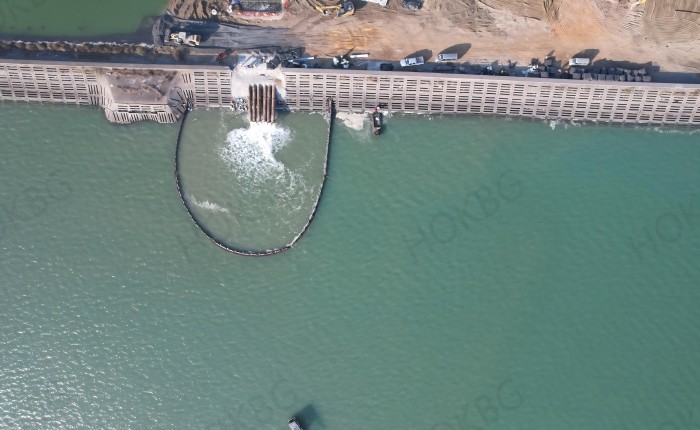
Conclusion
Effective control of suspended solids is a critical requirement in modern marine construction. By combining high-strength UV-resistant fabric, integrated curtain design, sandbag ballast, and factory-controlled stitching, optimized silt curtains offer a reliable, durable, and environmentally responsible solution.
For contractors and project owners seeking dependable marine suspended solids control, optimized silt curtains provide proven performance while meeting strict environmental protection standards.